
Waterline Repair: How to Spot the Signs, What You Must Do, and the Next Steps

Your main water line is one of the most critical systems in your home. When it begins to fail, the warning signs are often subtle at first — but the damage can escalate quickly.
Understanding what to look for and how to respond can save you from significant structural damage and costly repairs.
Early Warning Signs of a Waterline Problem
Imagine this: your sink backs up, or your toilet won’t flush right. You call a plumber, and they start digging around, hoping to find the problem. That’s messy, expensive, and stressful. Sewer video diagnostics change the game by letting plumbers see the problem first.

A damaged or leaking water line typically presents one or more of the following symptoms:
Sudden drop in water pressure
If pressure decreases throughout the entire home rather than at a single fixture, it may indicate a break or leak in the main supply line.
Unexplained increase in your water bill
A hidden underground leak can waste thousands of gallons of water before visible signs appear.
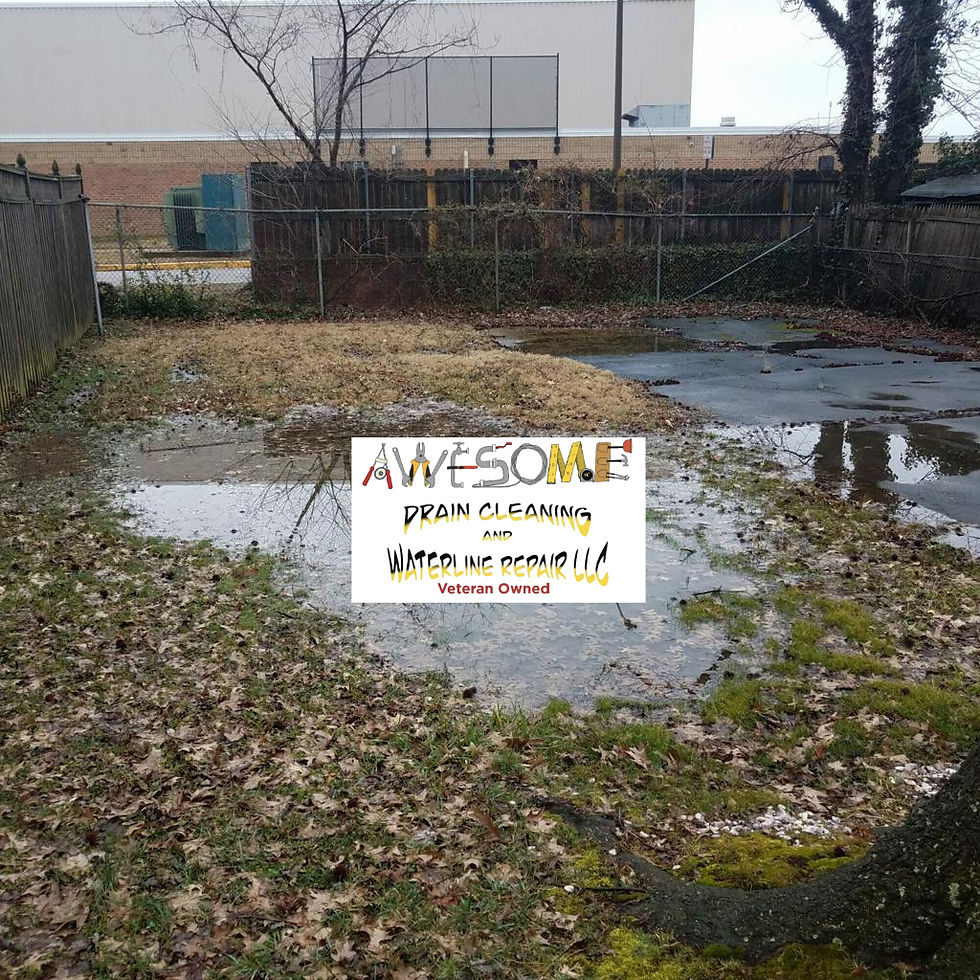
Wet or unusually green patches in the yard
Pooling water, soggy areas, or sections of grass that appear healthier than the rest may indicate a leaking underground pipe.
Discolored or cloudy water
Brown or rust-colored water can signal corrosion, sediment intrusion, or pipe deterioration.
Foundation shifts or sinkholes
In more severe cases, prolonged leakage can erode soil and compromise the stability of your home’s foundation.
If more than one of these signs is present, professional evaluation should not be delayed.
What to Do Immediately
If you suspect a waterline issue, the first priority is minimizing further damage.
When you suspect a waterline issue:
Turn Off Your Main Water Supply
Prevent further damage while waiting for professional inspection.
Avoid DIY Excavation
Digging without proper equipment can worsen the damage — and hit other utility lines.
Schedule a Professional Inspection
Modern plumbing companies use:
Leak detection technology
Camera line inspections
Pressure testing
This allows for accurate diagnosis without unnecessary digging.
Document Everything
If damage has occurred, take photos. This may help with insurance claims.
Repair vs. Replacement: What’s the Difference?
Waterline Repair
Used when damage is localized to a specific section of pipe.
Waterline Replacement
Recommended when:
Pipes are severely corroded
Multiple leaks are present
The line is outdated material
Tree roots have caused extensive damage
A licensed plumber such as Awesome Drain VA, will determine which solution protects your property long-term.

What Happens During a Waterline Repair?
Most repairs include:
Locating the break
Accessing the damaged section (traditional or trenchless method)
Replacing or repairing the pipe
Pressure testing the system
Restoring the area
Trenchless options may reduce yard disruption depending on the situatio

Your Next Steps
Waterline damage does not resolve on its own. Delaying service can result in escalating structural damage, mold development, soil erosion, and increased financial burden.
If you suspect a problem with your main water line, prompt professional inspection is the most responsible course of action. Early intervention protects your home, your property value, and your long-term repair costs.
If you suspect a waterline issue:
✔️ Don’t wait
✔️ Don’t ignore early warning signs
✔️ Don’t assume it will “fix itself”
Waterline damage can quickly escalate into:
Foundation damage
Mold growth
Property flooding
Expensive structural repairs
The earlier you address it, the less you’ll pay.
Final Thoughts
Your waterline is buried — but the warning signs are visible.
If something feels off with your water pressure, yard, or water bill, trust your instincts.
A professional inspection today could save you thousands tomorrow.
Ready to see what’s happening beneath your home? Don’t wait for a disaster. Reach out to your local experts and get a professional sewer video inspection today. Your pipes will thank you!

Comments