
Emergency Drain Cleaning:

What to Do When Your Drains Back Up
Drain problems don’t wait for a convenient time. When water starts backing up, smells get stronger, or multiple drains stop working at once—you’re no longer dealing with a minor clog.
You’re dealing with a drainage emergency.
Knowing what to do in the moment can prevent serious damage, contamination, and expensive repairs.
Signs You’re Dealing with a Drain Emergency
Not every clog is urgent, but these situations are:
Water is backing up into multiple drains
Toilets overflowing or not flushing properly
Sewage odors inside your home
Gurgling sounds from drains
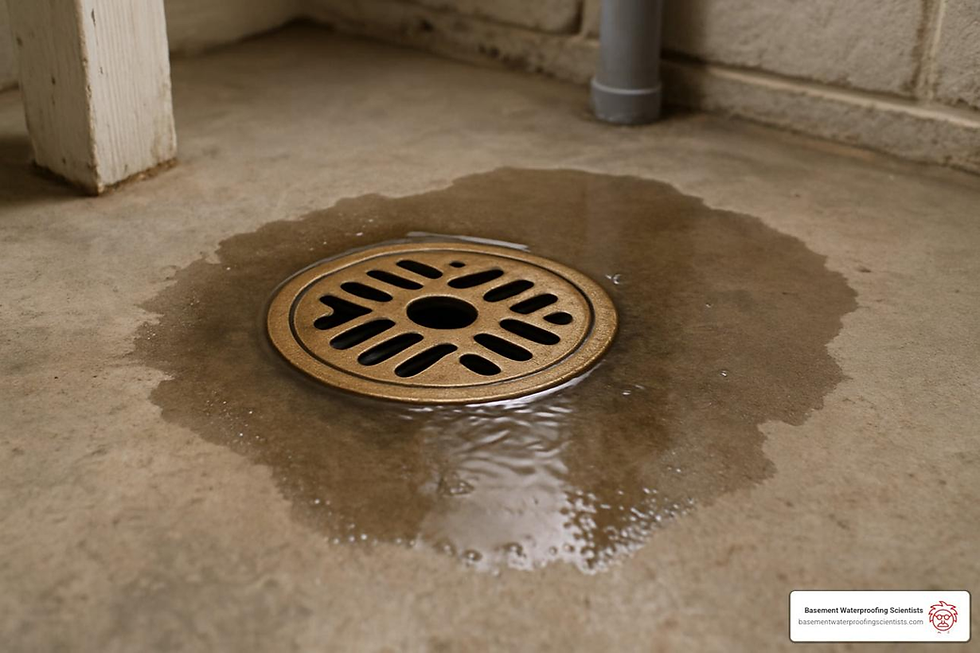
Standing water around floor drains
If more than one of these is happening, your main line is likely affected.
What Causes Emergency Drain Problems
Drain emergencies are usually caused by deeper system issues:
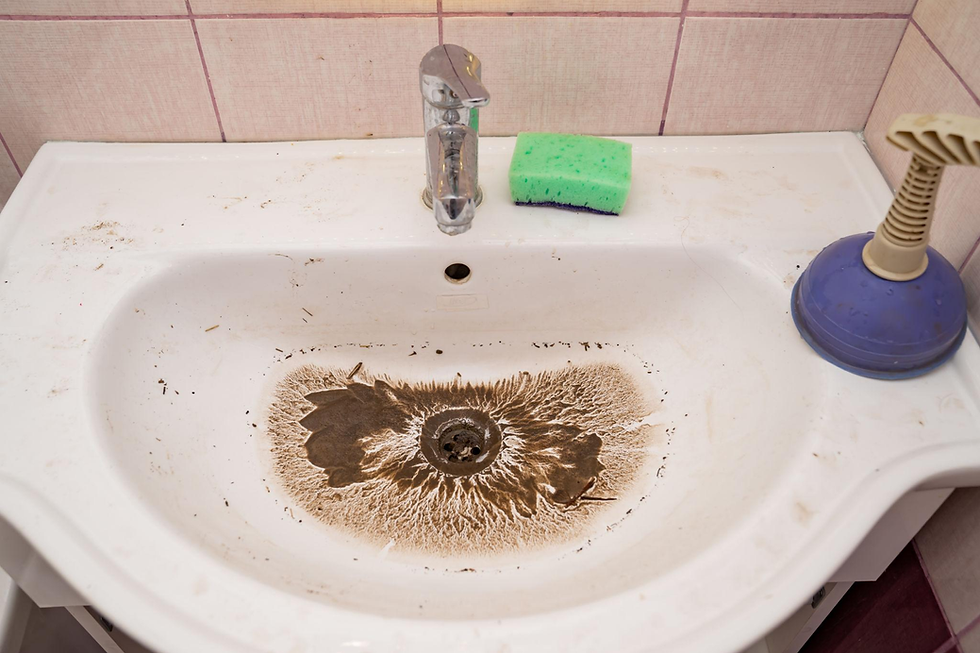
Grease and debris buildup
Tree root intrusion
Flushed non-degradable items
Collapsed or aging pipes
Severe blockages in the main sewer line
Surface fixes won’t solve these problems.
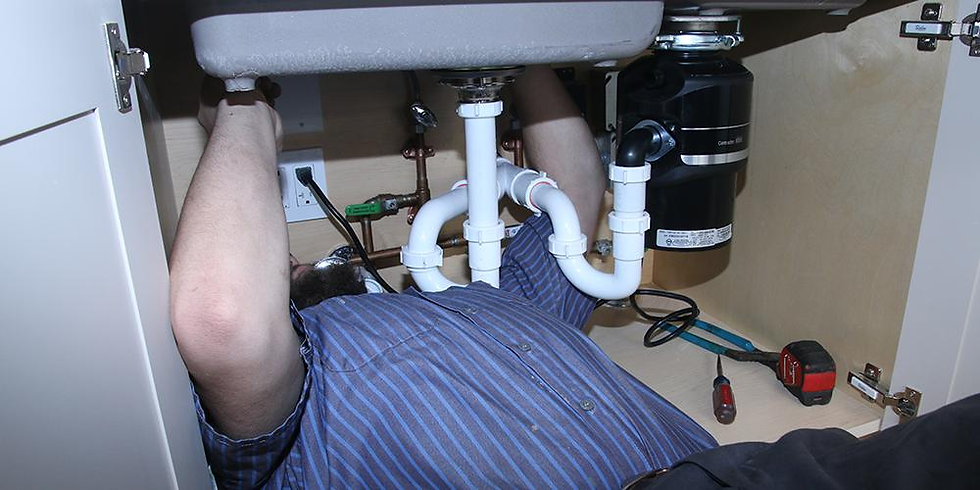
What to Do Immediately
Act fast to limit damage:
Stop Using Water
Turn off all water sources in your home. The more water you add, the worse the backup becomes.
Shut Off the Main Supply
If water is rising or overflowing, shut off your main water valve immediately.
Avoid Chemical Drain Cleaners
They don’t fix major issues and can further damage your pipes.
Keep the Area Contained
Avoid contact with contaminated water and keep pets and children away.
Why Professional Emergency Drain Cleaning Matters
At this point, DIY solutions won’t cut it.
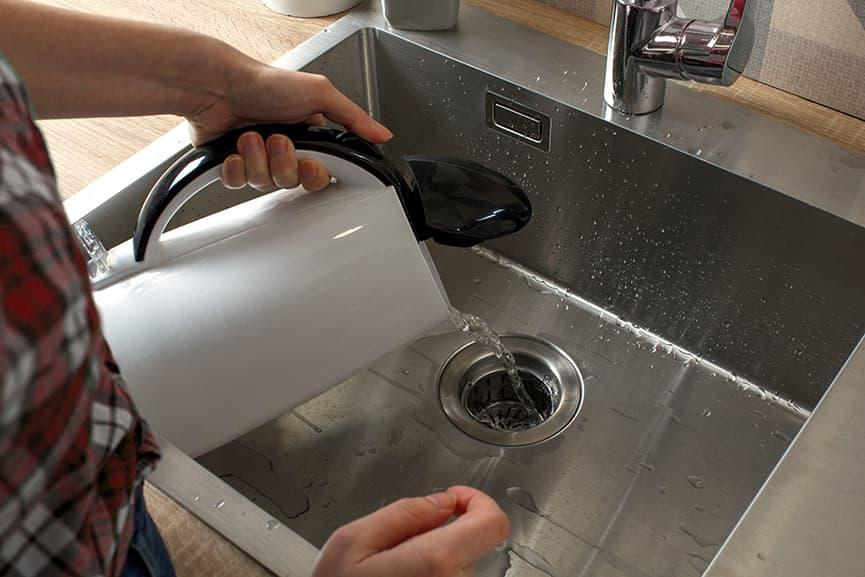
Professional services include:
Camera inspections to find the exact issue
Hydro jetting to fully clear the line
Root removal and pipe repair if needed
This ensures the problem is fixed—not just temporarily cleared.
The Cost of Waiting
Delaying service can lead to:
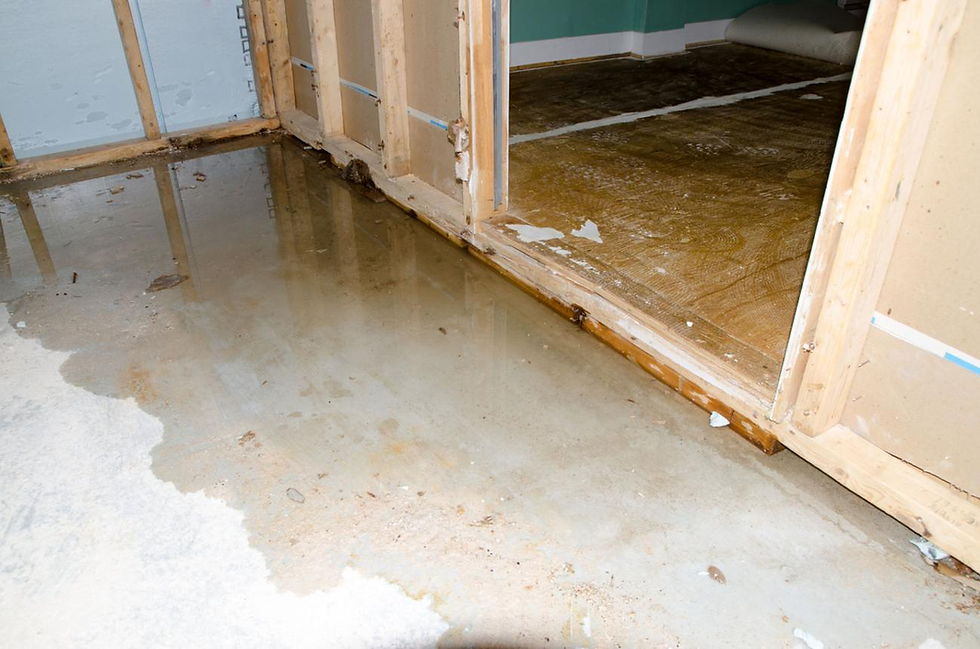
Water damage to floors and walls
Mold growth within 24–48 hours
Structural damage
Higher repair costs
The longer you wait, the worse it gets.

Prevent Future Drain Emergencies
Reduce your risk with simple steps:
Don’t pour grease down drains
Use strainers to catch debris
Avoid flushing wipes or hygiene products
Schedule routine drain cleaning
Address slow drains early
Most emergencies start as small, ignored issues.
Final Thoughts
Emergency drain cleaning isn’t just about convenience—it’s about preventing serious damage to your home or business.
If your drains are backing up, don’t wait. Acting quickly can save you time, money, and a much bigger problem.

Comments