
Signs of a Sewer Line Leak: What to Watch For Before Damage Gets Worse

(and Why You Shouldn’t Ignore Them)
A sewer line leak isn’t just a plumbing issue—it’s a property problem that can spiral fast. Left unchecked, it can damage your foundation, contaminate your yard, and create serious health risks. The tricky part? Sewer line leaks don’t always show up in obvious ways right away.
Here’s how to spot the warning signs early—and what they actually mean.
1. Persistent Sewage Smell
If you’re catching a strong, unpleasant odor inside or outside your property, that’s a red flag. Sewer gases should stay sealed within your plumbing system.
When you smell them:
A pipe may be cracked or broken
Seals or joints may have failed
Wastewater could be leaking into the surrounding areas
This isn’t something that “airs out”—it usually gets worse over time.
2. Slow Drains Throughout the Property
One slow drain? Could be a clog.
Multiple slow drains at once? That’s a different story.
If sinks, tubs, and toilets are all draining sluggishly, your main sewer line may be compromised—either blocked, collapsed, or leaking.
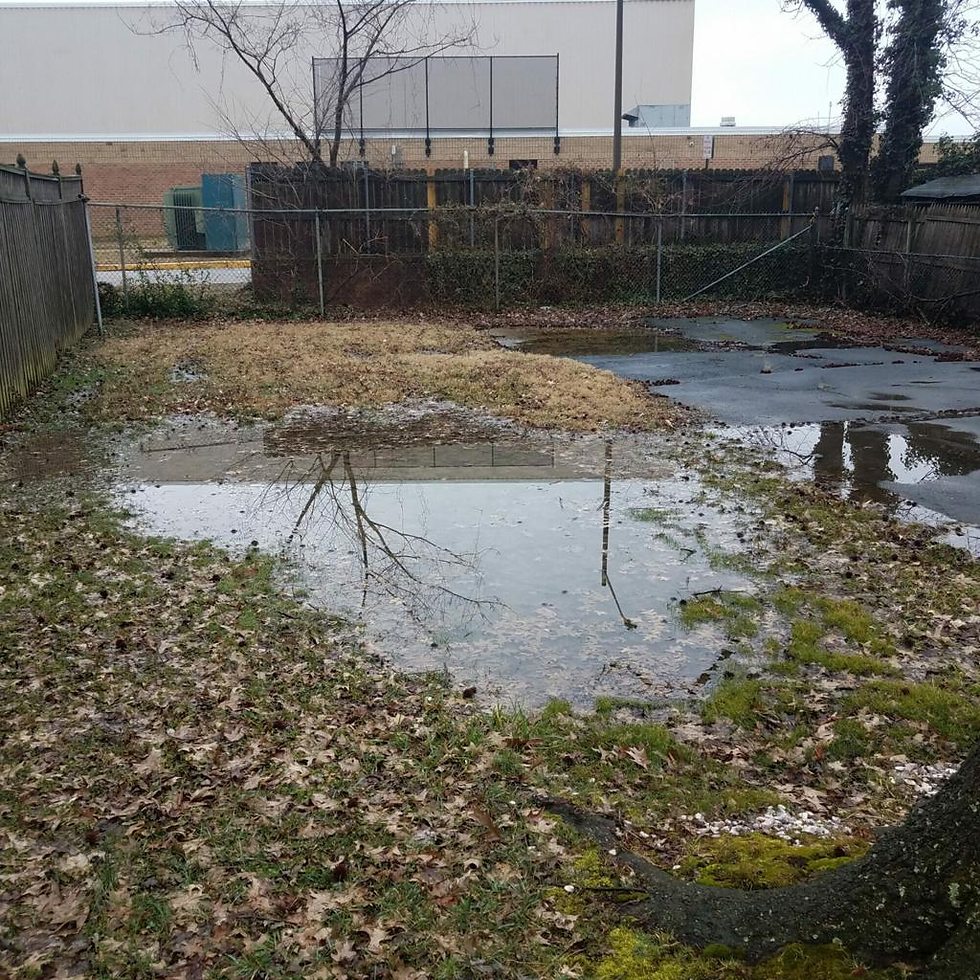
3. Unexplained Patches of Lush or Soggy Grass
A sewer leak can actually fertilize your lawn in one specific area.
Watch for:
Grass that’s greener or growing faster than the rest
Wet, mushy, or sunken spots in your yard
Areas that stay damp even in dry weather
It might look harmless at first—but it’s a sign wastewater is surfacing underground.
4. Foundation Cracks or Sinkholes
Water escaping from a damaged sewer line can erode soil beneath your property.
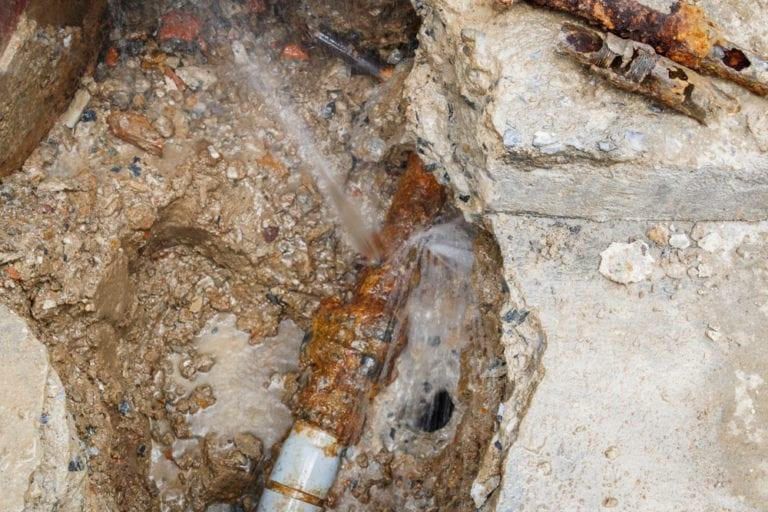
That can lead to:
Cracks in walls or flooring
Uneven surfaces
Small sinkholes forming outside
This is where a plumbing issue turns into a structural one—and the repair costs climb fast.
5. Mold or Mildew Growth
Moisture from a hidden leak creates the perfect environment for mold.
If you notice:
Musty smells
Dark spots on walls or ceilings
Increased humidity indoors
There’s a chance a leaking sewer line is contributing to excess moisture behind the scenes.
6. Pest or Rodent Activity
Rodents and insects are drawn to moisture and waste.
A cracked sewer line can:
Attract rats, flies, and cockroaches
Give pests an entry point into your home
If pest activity suddenly increases, don’t just treat the symptom—look for the source.
7. Backups in Toilets or Drains
This is one of the more obvious—and urgent—signs.
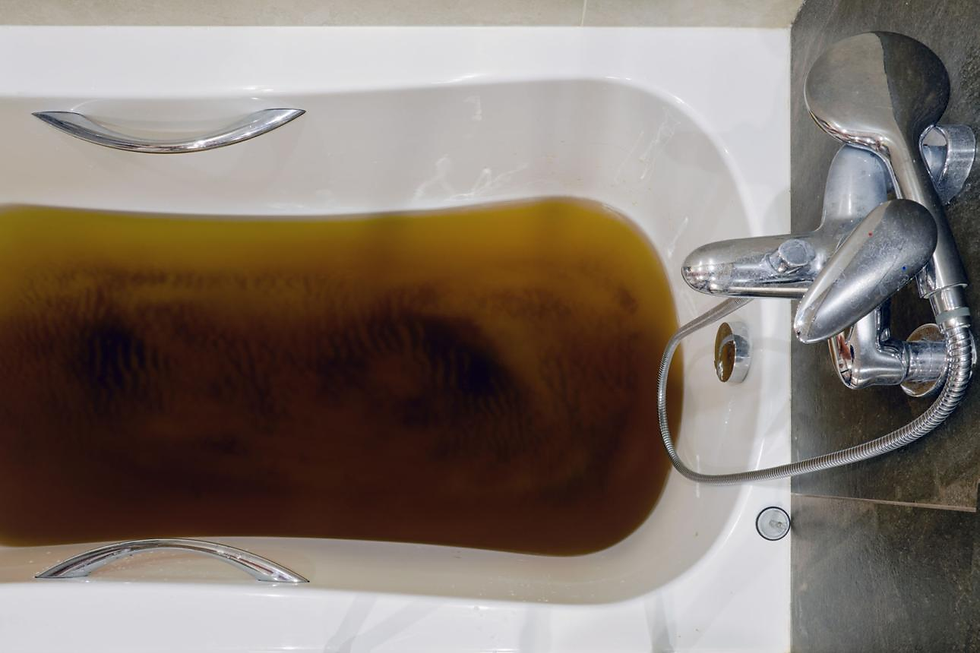
If wastewater is backing up into:
Toilets
Bathtubs
Floor drains
Your sewer line may be blocked or damaged, causing waste to flow backward.
What to Do Next
If you’re seeing one or more of these signs, don’t wait it out. Sewer line issues don’t fix themselves—they escalate.
Here’s the smart move:
Stop using water if backups are happening
Avoid DIY chemical fixes (they can make damage worse)
Schedule a professional inspection (camera inspections are the standard)
Bottom Line
A sewer line leak doesn’t always start with a dramatic failure. It usually starts small—subtle smells, slow drains, a patch of grass that looks “too good.”
Catching it early is the difference between a manageable repair and a full-scale excavation.
If something feels off, it probably is.



Comments